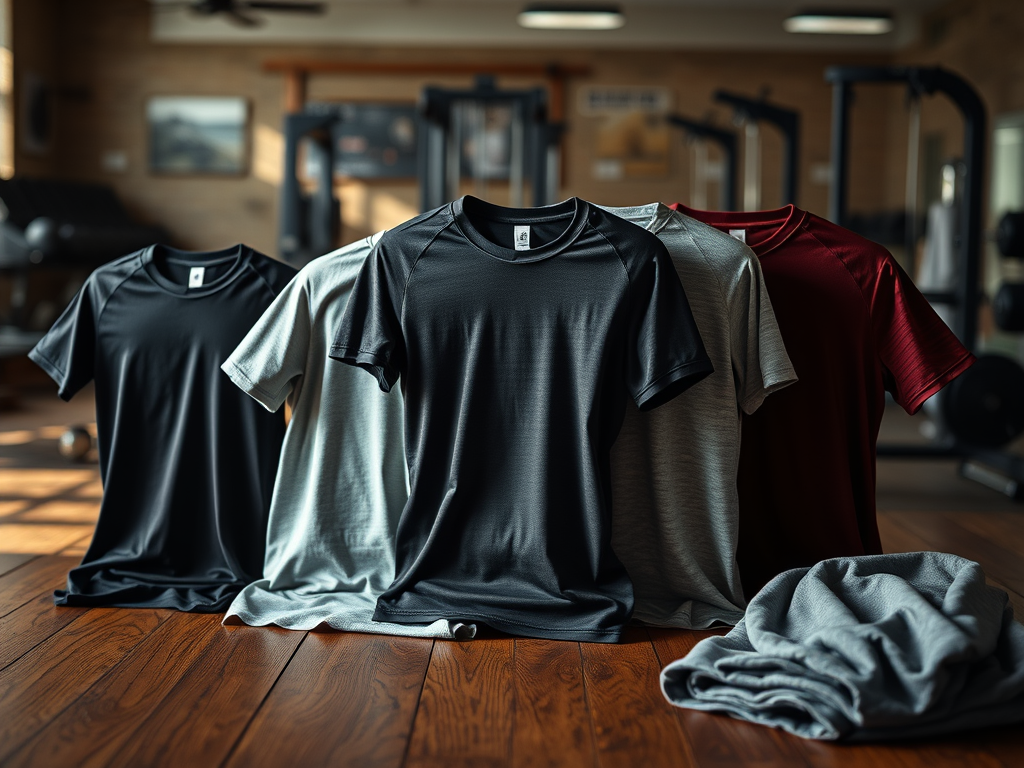
Breathability is the biggest factor you need to consider when picking workout clothes. Your comfort during exercise depends a lot on moisture-wicking fabric. Cotton feels good at first, but it gets heavy and wet during tough workouts. This can hold you back from performing your best.
Synthetic fabrics like polyester, nylon, and spandex are better than natural materials at handling sweat and letting you move freely. The right gym shirt does more than just fit well – it can affect how well you work out and recover afterward.
This piece will walk you through everything you need to know about picking the perfect gym shirt. We’ll cover material options and help you find the best fit that matches your workout style.
Why Gym Shirt Material Matters
The way moisture-wicking fabrics work reminds us of a tree’s root system. These fabrics pull moisture away from your skin through capillary action. Your gym shirt’s material choice plays a direct role in how well you perform during workouts.
Common moisture-wicking fabrics explained
Polyester stands out as the top moisture-wicking material. It absorbs just 0.4% of its weight in moisture. On top of that, nylon and polypropylene excel at moisture management through their unique fiber structure. Merino wool shines as a natural option that can absorb up to one-third of its weight in moisture.
Today’s moisture-wicking technology uses special cross-sectional yarns that boost capillary action. These fabrics draw sweat from your skin to the outer surface, which helps it evaporate instead of getting absorbed. Some manufacturers add hydrophilic finishes to the shirt’s inner layer to speed up moisture transfer.
How sweat impacts workout performance
Athletes need the right clothing to manage sweat effectively. They can lose 4-5 liters of sweat per hour in hot conditions. Football players who practice twice a day might lose between 9-12 liters.
Your body depends on sweat evaporation to keep its temperature just right. Wearing the wrong materials can disrupt this natural cooling system. Studies show that athletes who wear moisture-wicking fabrics control their body temperature better, especially when it’s hot.
Synthetic vs natural materials comparison
Cotton feels comfortable but falls short as workout wear. It soaks up to 7% of its weight in sweat, which creates a heavy, wet layer against your skin. In stark comparison to this, synthetic materials are a better choice:
- Quick-drying capability: Synthetic fabrics spread moisture over more surface area for faster drying
- Temperature regulation: These materials keep your body temperature steady no matter how hard you work out
- Durability: Synthetic fibers keep their shape and work well even after many uses
Bamboo has emerged as a game-changing natural option that wicks moisture and fights bacteria naturally. Merino wool works well too, thanks to its crimped fibers that create natural moisture-wicking channels.
Your gym shirt’s material matters most in tough conditions. To cite an instance, hot and humid weather can really hurt your performance in both aerobic and high-intensity workouts. Picking the right moisture-wicking materials helps you perform at your best.
New fabric technology now includes bio-based options from sustainable sources. These innovations want to match traditional synthetic materials’ moisture management while being better for the environment.
Matching Shirts to Your Workout Type
Your workout clothes can make or break your performance and comfort. The right shirt for your exercise routine will help you get better training results.
Best shirts for strength training
Your shirt choice plays a big role in your form and movement during weightlifting and resistance training. Stretch fabric with spandex blends lets you move freely during compound exercises. A slim-fit design helps you check your form and keeps extra fabric from getting in the way of equipment.
The best strength training shirts come with advanced tech to regulate your temperature. These tops use materials like AEROREADY and Climalite to keep your body at the right temperature through tough workouts. You’ll find reinforced stitching around stress points that won’t tear during intense lifting.
Ideal options for cardio sessions
Cardio workouts make you heat up and sweat a lot, so your shirt needs special features. Lightweight materials with raglan sleeves give you better range of motion – exactly what you need for running and cycling. These tops usually have mesh panels that help you stay cool during long cardio sessions.
Tank tops work great for cardio because they let you breathe and move freely, which really helps in hot weather. If you want more coverage, short-sleeved workout shirts with high armholes and a slim body work just as well for running and still look fitted.
What to wear for HIIT workouts
High-Intensity Interval Training (HIIT) needs specific features in your workout clothes. Your shirt should handle quick switches between exercises since HIIT mixes intense movements with short rest periods. The perfect HIIT shirt should:
- Use polyester to manage moisture well
- Have nylon to keep its shape
- Include spandex so you can move easily
HIIT workouts really raise your body temperature, so your shirt must handle heat well. Bamboo fabric works great for HIIT because it fights odor and wicks away sweat. The right compression elements can also boost your blood flow and help you recover faster during these tough workouts.
Your HIIT shirt needs to be safe as well as functional. A proper fit matters a lot when you’re doing fast movements because loose clothes might cause accidents or mess up your form. Look for snug-fitting options that let you move freely without extra fabric getting in the way.
Shirts with built-in ventilation zones work best for HIIT. The mesh panels in key spots keep air flowing while you exercise and recover. Good airflow and sweat management help you keep performing well throughout your HIIT session.
Finding Your Perfect Fit
Your workout performance and comfort depend on picking the right gym shirt size. The right measurements will help you find shirts that work with your body type and let you move freely.
Understanding size charts
Brands typically offer sizes from XS to 3XL, but sizes can vary by a lot between makers. You should check each brand’s specific measurements before buying. A good size chart has three simple measurements:
- Chest circumference (measured 2.5cm below underarm)
- Waist measurement (at the narrowest point)
- Hip measurement (at the fullest point)
Chest measurements matter most for muscle shirts since these shirts naturally get smaller toward the waist. So if you’re between sizes, go with the chest measurement to make your final choice.
Key measurements to consider
Getting the right measurements are the foundations of finding your perfect fit. Here’s how to measure correctly:
- Chest: Put the measuring tape around your chest’s fullest part, keeping it level under your armpits
- Waist: Measure around your natural waistline, right above your belly button
- Shoulders: To get the sleeve fit right, measure from your neck’s center back, over your shoulder, to your wrist
These measurements work together to determine your best fit. A snug fit works great for high-intensity workouts where a streamlined shape helps performance. Regular fits give balanced proportions that work well for different types of exercise.
A properly fitting shirt should:
- Let you move freely
- Not bunch up
- Have comfortable shoulder seams
- Come with the right sleeve length
Your workout style should guide your fit choice. Slim-fit designs help you watch your form during strength training. You might want looser cuts for exercises that need more movement.
Note that different materials stretch in their own ways. Synthetic fabrics flex more, so you can wear them closer to your body while still moving easily. Try some basic exercises when you test shirts to make sure you can move well.
Your gym shirt should feel just right – not too tight or loose. Tight shirts can strain your muscles, while loose ones might get in your way during workouts. The best fit lets you breathe easily and keeps a clean look.
Common Gym Shirt Problems
Gym enthusiasts know the struggle with sweat, odor, and discomfort. These problems are common, but you can deal with them better by understanding how to take care of your workout clothes.
Dealing with sweat patches
Sweat patches don’t just look bad – they can mess up your performance too. Athletes sweat between 4-5 liters per hour in hot conditions. Here’s how to deal with sweaty gym clothes:
- Turn gym clothes inside out when washing so detergent hits the sweatiest spots
- Give workout clothes a quick rinse right after exercise, even if you can’t wash them yet
- Pick aluminum-free deodorant to stop yellow patches under your arms
The right washing technique will give you better results. Sports detergents work better than regular ones because standard detergents don’t break down sweat and bacteria well. Don’t stuff too many clothes in the washer – your detergent needs space to work its magic.
Preventing odor buildup
Fresh sweat doesn’t smell bad on its own. The smell comes from bacteria mixing with your sweat. Here’s how to keep things fresh:
Natural Solutions:
- Mix one part white vinegar with three parts water for a pre-wash soak
- Put baking soda paste on smelly spots and wait 15 minutes
- White gym clothes? Try lemon juice and leave them in the sun
Storage plays a big role in keeping odors away. Synthetic fabrics hold more bacteria than natural ones. Let your gear dry completely after use to stop bacteria from growing and causing bad smells.
Solutions for chafing issues
Chafing happens when moisture meets friction. Nobody likes that uncomfortable skin irritation. Here’s what helps:
Prevention Strategies:
- Pick clothes that fit snugly but don’t restrict your movement
- Go for synthetic or wool fabrics instead of cotton – cotton stays wet longer
- Look for clothes with fewer seams and no tags to cut down on friction
Got chafing? Treat it like a minor burn or diaper rash. A loose cover of nonstick gauze can help. Drinking enough water helps too – dehydration makes your sweat saltier, which irritates your skin more.
Important Considerations:
- Bigger muscles and extra weight can make chafing worse
- Hot, humid weather makes things tougher
- Clothes that don’t fit right will rub you the wrong way
Long workouts, especially in hot or humid weather, might need a clothing change. Anti-chafing balms or creams can create a barrier between your skin and clothes.
Taking care of problems before they start works better than fixing them later. Good washing, drying, and storage habits will make your gym shirts last longer and work better. This way, you’ll end up with more comfortable and productive workout sessions.
How to Make Gym Shirts Last Longer
Good care will extend your moisture-wicking fabric’s life and keep it performing well through many workouts. The right maintenance techniques will help preserve your gym shirt’s functionality and looks.
Proper washing techniques
Cold water works best to maintain synthetic workout clothes. Yes, it is best to wash gym shirts made from elastane and other synthetics in temperatures between 60-80°F. Here are the vital steps to preserve your shirt’s performance:
- Turn clothes inside out to target bacteria-prone areas
- Use mild, fragrance-free detergents designed for activewear
- Skip fabric softeners as they clog moisture-wicking properties
- Don’t overload the machine to ensure proper cleaning
Soak heavily soiled shirts in one part white vinegar and four parts cold water for 15-30 minutes to neutralize stubborn odors. On top of that, adding baking soda to your wash helps curb odor-causing acids.
The quickest way to get good results is to separate workout clothes based on fabric type. Keep synthetics away from cotton to prevent lint transfer that could harm moisture-wicking capabilities. Gentle wash cycles will protect delicate fibers from wear and tear.
Storage tips
Your storage routine should start right after your workout. Hang damp clothes until they dry completely to prevent mildew. Here are storage guidelines that will help your clothes last longer:
Immediate Post-Workout Care:
- Let shirts air out completely before storing
- Don’t store damp clothing in closed containers
- Keep workout clothes away from regular laundry
The KonMari folding method creates a smart storage system where you can see each item at a glance. This technique prevents stretching and keeps fabric in good shape. Drawer dividers help keep oddly shaped items tidy without damaging their form.
Color-coding your storage makes sense. You’ll find items faster and ensure even wear across your workout wardrobe. Leaving space between items lets fabric breathe and reduces moisture buildup.
Heat can damage synthetic fibers and hurt their moisture-wicking abilities. Keep gym shirts away from direct sunlight and heat sources. This helps maintain elasticity and prevents color fading, which means your workout gear will last longer.
Note that good storage does more than keep things organized – it affects how well your shirt performs. These care techniques will help maintain your gym shirt’s moisture-wicking properties and structure through many washes.
Conclusion
The right gym shirt can substantially affect your workout performance and comfort. Our complete research shows moisture-wicking fabrics work better than cotton, particularly during intense training.
A perfect gym shirt needs three key elements. The material should match your workout type, the fit must allow free movement, and it should manage sweat effectively. Synthetic fabrics handle sweat well, but natural options like merino wool and bamboo are worth thinking about for their unique benefits.
Your gym shirt’s life depends on proper care. Simple steps like cold water washing, proper storage, and quick post-workout handling keep both function and looks intact. These practices help your workout gear perform well through many training sessions.
Your gym clothes directly shape your exercise results. The right shirt matched to your needs – whether you do strength training, cardio, or HIIT workouts – helps you perform better and stay comfortable. This knowledge lets you build a smart workout wardrobe and focus on what counts: reaching your fitness goals.
Leave a Reply